Megan’s Question:
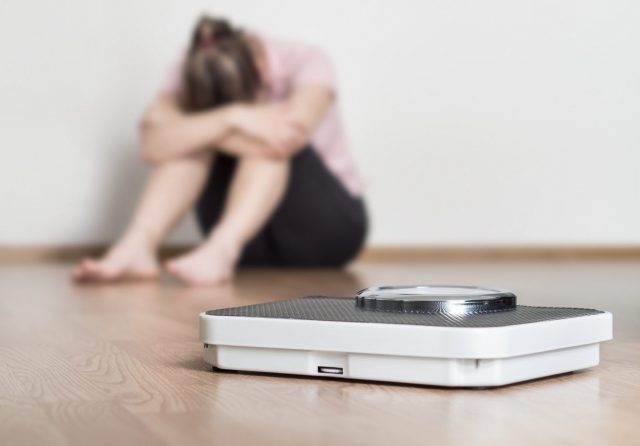
This was great information. I have been 130lbs until I turned 48. Now up to 157. Weight gain all in my stomach, legs, arms, boobs and butt. I have still been working out intensely with weights and cardio and no weight loss . After listening to this is sounds like I should do less intense workouts and eat more. No period for 7 months now. I am soooo frustrated and want to loss this weight.
Short Answer:
Many of the women we work with are desperate to stop the weight gain during perimenopause. As a strategy to lose weight, most women in perimenopause try to “eat less and exercise more.” This translates to going on a calorie restricted diet and engage in cardio-based exercise 4 to 6 days per week. This strategy works when your 25, but does not work after the age of 40. The simple mantra we discuss in the podcast is to “eat more and exercise less” in order to lose the desired weight. Also, instead of cardio-based exercise, we encourage women to start strength training as their fitness foundation and to eat more protein on a daily basis.
Instead of trying to lose weight, the paradigm shift should be to build muscle instead. Exercising as a mode of “burning calories” in order to lose weight does not work well for women in their 40’s or beyond. Also, stress needs to be reduced and sleep quality needs to be improved before exercise is a priority.
The decline of progesterone and lots of stress make women more responsive to cortisol, which contributes to the unwanted weight gain in perimenopause. So going on a diet and exercising a bunch only adds to the stress. This can make losing weight almost impossible.
Check out Dr. Davidson’s book: The Perimenopause Plan
Book on Amazon
Monica’s Question: Hi, I have been prescribed testosterone cream and I have been advised to apply it to my inner thigh. I was wondering,...
Hormone Coaching App: http://hormonenavigator.com/ Progress Your Hormones Community: https://www.progressyourhormones.com/ Are you experiencing symptoms of menopause, but not quite there yet? There’s a confusing phase...
Nathalie’s Question: Hello Dr Maki, I am 45 full menopause and currently on biest 80:20 (0.5 mg) and progesterone 200 since July 2018. I...